Post-Lockdown Progress Update

The other day, a fellow fast-er and low carb friend sent me a message, dryly reflecting on how many posts there’d been in our facebook group about people falling off the wagon lately. She then asked, “So how hard did you fall off?”

And my answer was, “… I didn’t?”

**Disclaimer: This is going to be a long post. I sort of forgot about this blog, and some rather large things have happened since my last post on January 19th. Brace yourselves!

So, COVID-19 came along and turned the world on its head. I’m definitely one of the lucky ones – I got to keep my job and choose out my own project to work on while it was going on. And while things all around me (and everyone else) have been chaotic, so many things changing and closing, from a strictly work-related standpoint, things have honestly been pretty great.

At the beginning of the lockdown, I found myself very suddenly without the very rigid schedule I’m using to following at the museum where I work. I’ve never minded that structure – if anything, it’s played right into the strictness of my fasting routine and even reinforced it. Finding myself wholly without impositions on my schedule apart from texting my supervisor every day at 8:30am and 4:30pm, I was left to organize my days any way I wanted. I knew from the start that I would need to keep to my regular fasting schedule to maintain any semblance of mental and physical health during this. For me personally, the work-from-home thing started as “two weeks and then we’ll see”. That quickly got extended to a full month, then two, and now three. My teammates and I go back to the museum next week, so here at the end of Week 12 of lockdown, I thought I would share a few reflections about how it’s been.

selfie - keep calm
I still drank allll the tea!

At the beginning, as someone who lives alone, I felt almost as though the universe was going out of its way to underscore the fact of my solitariness. I wondered how long I would be forced to be alone – which I love being, but I also love being with other people, in a good balance. I think I felt every feeling that it’s possible to feel that week. I fasted. I watched my social media feeds fill with people panicking about toilet paper shortages and joking that they’d already eaten all of their snacks. The gym in my building announced it was closing the first day of that week. Having once had to stop working out for a full three weeks back in November when I had shingles, I really didn’t want to experience that again. There’s a whole story behind the fact that the 35-lb free weights are basically mine (seriously, no one else ever uses them, and they only replaced them after months of me nagging when someone stole the 35’s during my shingles absence)… so I popped by the gym and, um, borrowed them. I mean, I will give them back when the gym reopens! I really will! Meanwhile, here they are.
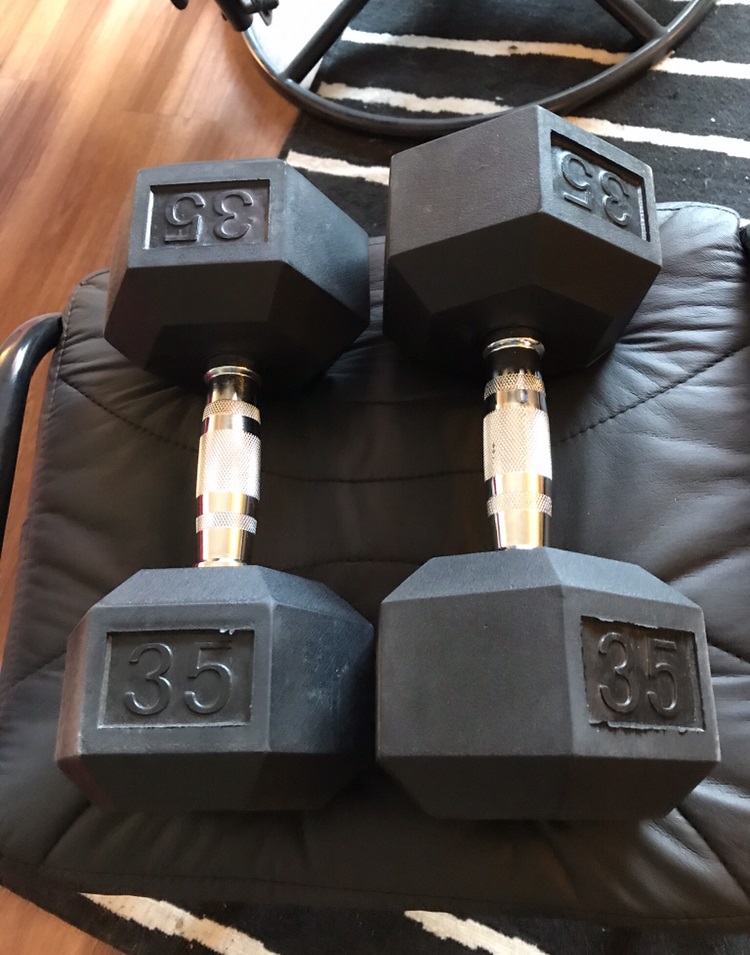
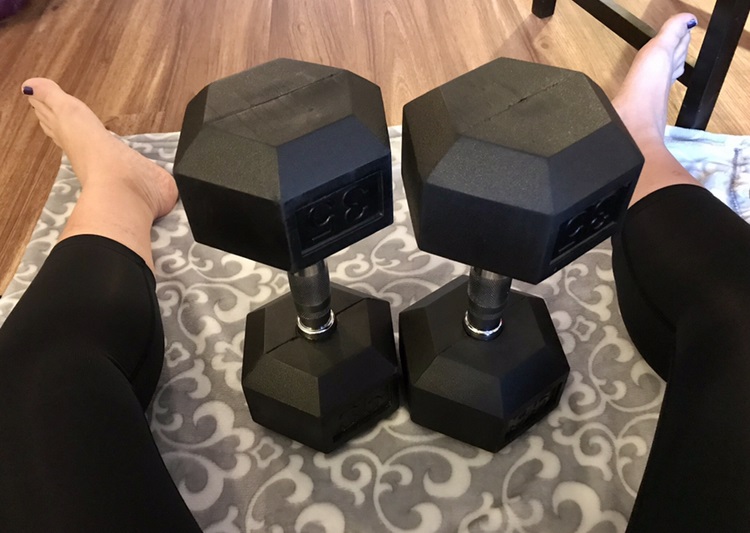
the 35's

Floor lifting
They’re so much heavier to lift from the floor than from the weight bench, for the record!

I thought about cardio next and how to replace my beloved elliptical and my HIIT cardio workouts. HIIT = high intensity interval training, wherein you attempt to jack your heart rate up to close to its maximum for a short while (30 seconds to 2 minutes is the norm), then take a rest period of equal or longer time. It occurred to me that I live on the 17th floor of an 18-storey high rise that has stairwells. I came up with a plan. It went like this:

  • jog down to the 2nd floor in the slightly-less-dodgy stairwell (has windows and only goes down to the 2nd floor, aka no street-level access)
  • sprint up to the 5th floor, then sprint down the length of the hallway and back
  • walk the length of the hallway and back for the rest portion
  • sprint up to the 8th floor, then sprint the hallway
  • walk the length of the 8th and back
  • sprint up to the 11th, sprint the hallway, then walk it
  • sprint up to the 15th, sprint the hallway, then walk it
  • sprint up to the 18th, sprint the hallway
  • instead of walking it, jog back down to the 10th
  • sprint up to the 14th, sprint the hallway, then walk it
  • sprint up to the 17th, sprint the hallway, then walk it, stopping in front of my own door, where I had pre-placed a Lysol wipe to clean the hand that touched all of those hallway doorknobs

It was a Process! But it was working pretty well… until the morning when I encountered meth users directly on the other side of the 17th floor doorway at 7:30am on a Friday morning. I noped right out of there, went back to my apartment, and did a cardio circuit HIIT workout instead. Speaking of which… I had only just recently discovered this: a HIIT routine based on a mix of straight-up cardio and bodyweight exercises. I saw it in a Livestrong article and misread the instructions, which were to do 10 different exercises for 30 seconds each, then repeat the entire routine. I thought it said to repeat the whole thing for a total of three rounds. The routine went: squats, 10-second squat holds, jumping jacks, burpees, lunges, curtsey lunges, push-ups, mountain climbers, sit-ups, and Russian twists. I didn’t know what some of them were and had to google. I had, at that point, done maybe a grand total of 8 (???) real push-ups in my whole entire life to date, like without my knees on the floor. I discovered to my delight that, at that point, I could do about 15 of them in 30 seconds. So in total, I went from maybe 8 cumulative, to 45 in one day.

I was in pain for four straight days after. Haha.

Quarantine went on. Two weeks became a month. Then two months. I took up running (HIIT sprints) outside once the weather became warm enough. Running is something I have never been able to do, so this was a particular accomplishment! I kept fasting. I resolutely admired, but ignored the 200 photos of sourdough loaves every human I know was posting on social media. I perfected keto meatballs and tried out an almond flour bread eventually.


I kept working out. Missing my daily 10-12 km of walking at the museum, I took to walking outside for the pure sake of walking, which is something I had never enjoyed. I would walk long distances to get somewhere, but never just for its own sake. I developed a vastly more intimate knowledge of downtown Winnipeg. I walked in snow boots, then runners, sometimes rain boots, then sandals, as the seasons changed. I watched the snow turn dirty, then melt, saw the mud and the puddles form and then clear, watched the grass beneath them dry and turn green. Eventually, finally, the trees budded and then exploded into leaf and blossom. The coming of spring is something I witnessed in vastly more detail this year than in any year before in all forty years of my life so far. It’s never felt like more of a miracle than this year.

Meanwhile, I wondered if the temptation of being at home with the unusual and unexpected leisure of time to cook – something I love doing – would pull me from my discipline or even right off the wagon. I wondered whether I would gain back the “quarantine fifteen” social media was joking about. What I did notice was that, while I wasn’t actively losing weight anymore, I wasn’t gaining any size. I was steadily maintaining a workout ratio of 5/7 days – three cardio workouts (most weeks that’s been two of the cardio/bodyweight routines and one HIIT sprint) and two weight training sessions. I’ve walked anywhere from 3-9 km per day, depending. If anything, the scale has basically stayed the same, but I’ve gotten denser and more muscular as my body has adjusted to now regularly to using new muscle groups and doing things like 55-60 push-ups in a single day, how to actually do burpees properly, and how to do mountain climbers without actual death occurring. I’ve had to remind myself yet again that this journey has never been about the number on the scale – it’s been about gaining more and better health, and I’ve done that. I’m still doing it. There will never be a day that comes and I say, “Okay, I think that’s good enough. Let’s just let everything slide now.” The world and my own life have been in a state of emergency since the pandemic hit, and the main thing for everyone has been just to get through it. To survive it, whether in a very literal sense, but also in the very real sense of mental health. It’s been a very isolated time. And yet, I’ve discovered just how much of an introvert I really can be, how content it turns out I am to be at home, alone, doing my own thing. That I really, really am disciplined, even when there’s no one to witness it apart from my own sense of integrity. I have no idea where this discipline came from, but I feel grateful to have it, and to have been able to keep it during the past few months. I’m still working at my body, at my health, and every last part of it is an act of self-love.

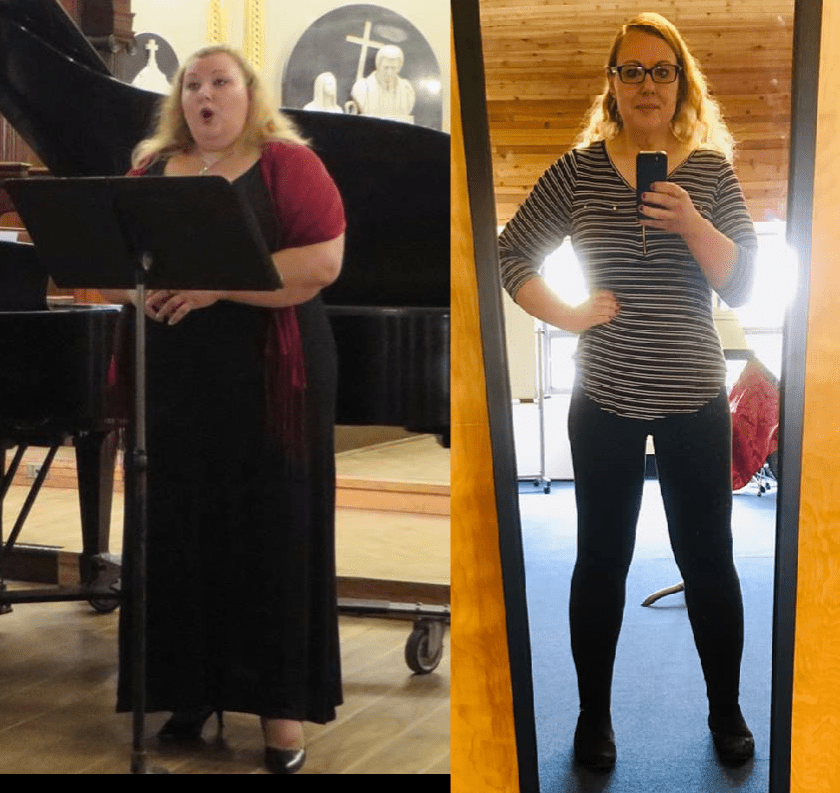
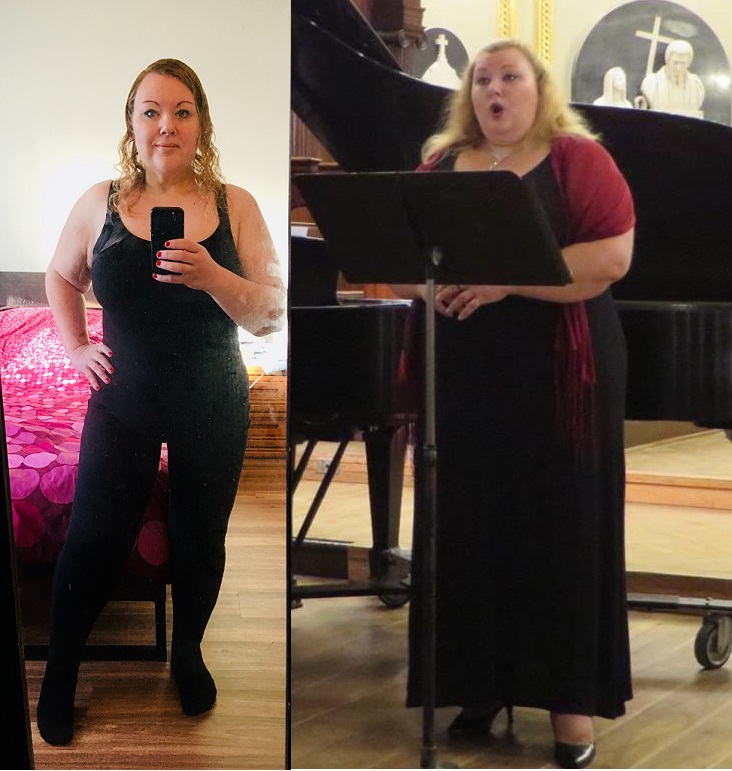
For a reminder, this is how I looked when I first started this in January 2018:


This is me now. Last gym selfie before lockdown started, and all the rest have been taken in isolation:

I would say that I’ve not only survived this three months, but thrived.

Lilacs

It’s been twelve long weeks, but the journey continues. I hope you’ve all been surviving and thriving, too. ❤

Common Weight Loss Myths

It’s been a little while since I last posted, and I just realized with some dismay today that I actually neglected to mark the two-year anniversary of having started this way of life three days ago! So: time for a post, definitely! A colleague of mine suggested a topic, given how common it is for people to start trying to lose weight in January. She suggested that I write a post debunking some of the most persistent weight loss myths out there, based on what I’ve encountered, read in junk science “articles”, and what I know to be true as a discipline of Dr. Jason Fung’s methods, research, and proven clinical experience. So here goes:

You can lose weight through exercise alone. This is a big one. I used to believe it myself, despite the fact that no evidence ever backed it up, at least not for me. In my pre-weight loss life, I was always pretty active. I walked around 3 km per day, swam laps once or twice per week – but I just kept gaining weight. We know for a fact that the calories in vs. calories out theory is deeply flawed (more about that in a second!), but even if it weren’t, you would have to exercise so, so much and eat so very little to keep this balance in check. Let’s imagine that you could sustain a lifestyle of only consuming, say, 1,000 calories per day. That’s not very much, and literally no one has ever managed to do this. It’s not a great plan, anyway – it leads to massive cheats, binge eating, eating disorders, and constant feelings of deprivation on the mental health side of it, and on the strictly physical, it also leads to slower metabolism, constant feelings of cold and fatigue, and as a lifestyle pattern becomes yo-yo dieting and weight gain. But even let’s say that this life of lettuce and sadness actually worked for anyone in the first place, you would still have to exercise constantly to keep the weight off. I’m lucky in the sense that I have a job that allows me to walk a lot, rather than sitting all day. Let’s consider my day yesterday: between walking around the museum’s galleries in the course of my day, running an errand or two, and walking to a choir rehearsal, I clocked 16 km of walking. That burned about 303 calories, according to my tracker. Add the high intensity interval training cardio I did in the morning and that gives me another 370 calories or so burned, totalling in 673. I literally walked all day on top of having worked out at a high level of intensity and burned far fewer than 1,000 calories. It can’t be done. Even if this very low calorie way of eating were a good choice (which it isn’t) in the first place, no one could sustainably keep their caloric intake lower than their caloric burn.

It’s all about calories. It isn’t. It just isn’t. For one thing, calories are a useless form of measurement. What we need to consider is the effect the food we’re eating has on our bodies, specifically on the hormonal response produced. 100 calories of broccoli is not going to have the same impact as 100 calories of cake. On top of that, if you were following a 1,000 calorie/day way of eating, you could easily fill your 1,000 calories with absolute garbage, risking serious nutrient deficiency and still producing a high insulin response. Insulin is a fat-storing hormone. If we eat foods that trigger a high insulin response, weight gain will be inevitable. It’s not about calories, because not all calories are equivalent to one another. It’s about the response produced.

We need carbs to live. This is one that I see a lot on those junk science websites, or cited by celebrity dieticians. First off, we don’t. Period. Of the three macronutrients (protein, fat, and carbohydrates), only protein and fat are necessary for us to live. Secondly, not all carbs are equal, either. Carbs come in a few forms, the two main ones being:

  1. Refined carbs (or simple): these are the ones that have had their fibres stripped away, or have been pulverized or liquified. Think flour, juice, etc. Sugar in all of its varied forms (honey, molasses, glucose, corn syrup, coconut sugar, dextrose, etc etc) falls into this category, too. There is almost nothing redeeming about these ones apart from the fact that these can be processed very quickly and made into blood glucose for energy. However, the faster they’re processed, the higher the insulin response will be. Hence, liquids and powders are the worst, especially if they’re sweet. Fruit juice is not our friend (alas!). Bottom line: if it’s sweet (doesn’t matter what sort of sweet – our bodies can’t tell the difference!) or absorbs quickly, it will result in a high insulin response.
  2. Unrefined carbs (or complex): these are the ones that have been left whole. Whole grains, vegetables, fruit, legumes, nuts, seeds, in other words.

Let’s revisit the “we need carbs to live” business. These same celebrity dieticians like to rail against the notion of cutting out an entire category of food and go off about how we’ll all become nutrient deficient and die of scurvy if we deny ourselves these life-sustaining carbohydrates. What I have to say to this comes in two parts:

  1. No one ever said to cut ALL of the carbs. I’ve never told anyone to cut out leafy greens, cruciferous vegetables, berries, cucumbers, tomatoes, mushrooms, nuts, or seeds. We need vegetables in particular for their fibre and their micronutrients (vitamins & minerals). We don’t need to eat grains to get fibre from them, and if we’re eating our grains in the form of flour, we’re not getting it, anyway. Yes, even “whole wheat” flour. If you’re eating whole wheat berries, okay. But it’s still not necessary.
  2. Here’s the second part of my counter-argument: just because it’s easiest for our bodies to make blood glucose from simple carbs doesn’t mean that it’s the only way, or even the best way. It’s just the fastest way. Our bodies are also capable of making blood glucose from carbs with their fibres still attach, which helps them to absorb more slowly and also prevents some of it from being absorbed at all, depending on the type of fibre. Usually these articles cite unrefined carbs as being preferable for this reason. However, that’s still not the only way we can get blood glucose: our bodies can also produce it from our own stored fat, if we allow ourselves to enter a state of ketosis. The serious bonus of this is that our fat also stores micronutrients, so if you’re fasting in hopes of entering ketosis, there’s no risk of becoming nutrient deficient just because you’re not eating factory-made “fibre rich” cereal (aka factory floor sweepings).

So, no: we don’t need carbs to live. However, certain carbs are fantastic and we should absolutely eat them! We just don’t need to be eating high-starch foods like grains, legumes, and fruit. You’re better off sticking with lower carb veggies like broccoli, cauliflower, green beans, asparagus, celery, mushrooms, spinach, arugula, brussels sprouts, zucchini, eggplant, spaghetti squash, tomatoes, avocadoes, cabbage, swiss chard, lettuce, berries, nuts (except for peanuts; they’re a legume!), and seeds. Leave out the underground veggies, plus corn and peas, and you’re golden. There are so many options out there. No one ever died of a potato deficiency!

Everyone’s needs are the same. Obviously this one isn’t true. I’ve had people tell me that they need to eat, say, black beans because they’re a good source of fibre and protein. I love black beans, but for my personal needs, which are to limit insulin response, they’re too high in carb and I can get protein and fibre from lots of other sources. Steak will give me far more protein, and sunflower seeds will give me lots more fibre. By this standard, it’s hard to categorically state that one food is “healthy” while another isn’t, though refined sugar has no redeeming health features whatsoever. An apple can be argued to be healthy if what you’re looking for is a low calorie, low fat food source with a decent amount of calcium and vitamin C (around 10% and 8% of daily recommended intake respectively). But at 25g of carb, it’s just too high in natural sugars to warrant regular inclusion in my eating plan. As a treat or an exception, sure, but it’s not a food I would consider something to go crazy on because it’s “healthy”. It all depends on what you, personally, need. That said, no one needs certain inarguably terrible foods – diet pop, almost any processed or snack food, etc. We eat those for enjoyment and acknowledge that they’re not doing us any favours on the health front, and that’s fine. But watch out for categorical statements about the healthiness of various foods. It depends on your needs. So yes – sweet potatoes might have more redeeming nutritional value in terms of micronutrients than bread, but the carb value between one medium sweet potato and two slices of whole wheat bread are basically the same. The better choice would still be neither if you’re trying to lose weight.

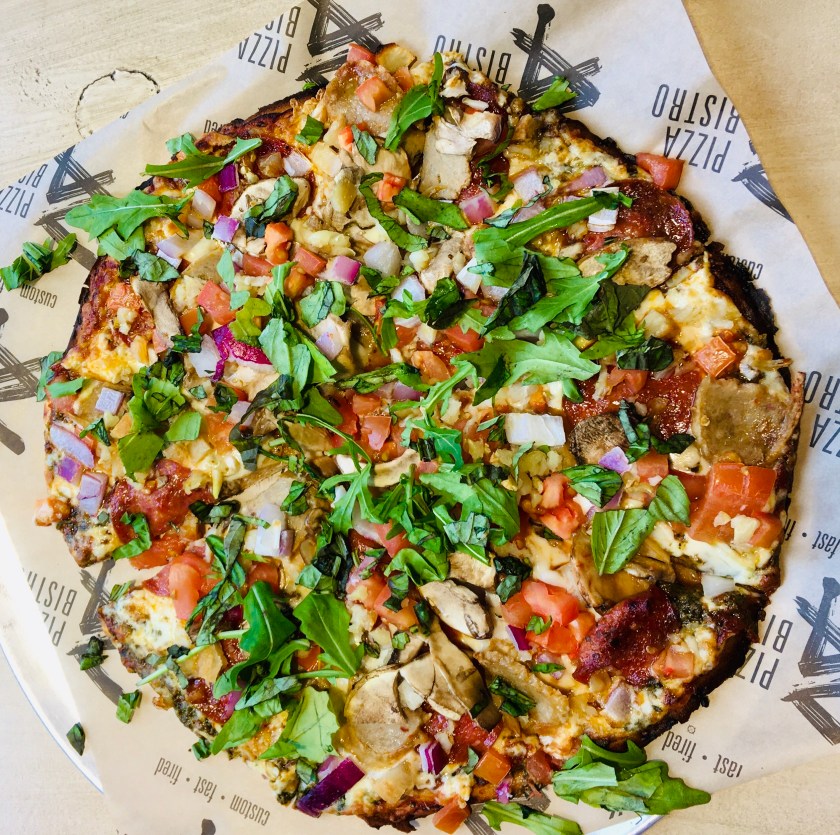
This was long and text-heavy, so let me just wrap up by sharing this photo of a cauliflower crust pizza that a local chain just started carrying! Unlike many (MANY!) cauliflower crusts out there, this one is genuinely JUST cauliflower. Do watch out – many advertised cauliflower crusts are just flour crusts that also have cauliflower, not cauliflower instead of flour! At Boston Pizza, for instance, the cauliflower crust is actually higher in carbs than the regular ones! But this pizza was fantastic! Anyway, have a healthy start to your 2020!

Za pizza

I’ve lost half of myself…

… which is to say that I’ve lost half my original body weight now!

It’s not a particularly special number, but kind of a cool milestone to note, so I thought I might! Plus, it’s been awhile since I last wrote a post, so I thought I was due for a check in. If you like the numbers talk, then here it is: when I started losing weight, I was 335 lbs. As of yesterday morning, I weigh 167 lbs, with a projected 17 lbs to go. Or so: we’ll see what things are like when I get there! It was never about the number itself; that was just a way of tracking things.

In the past few months, a lot of people have been asking me whether or not I’m “done” yet (and we’ll come back to that one in my next post!), and when I say no, that I’m still actively losing weight, they’ve frequently asked me why. At that point I generally shrug and say something like “I’m not at my goal yet” or something along those lines. To be clear, I never mind discussing this with anyone, as long as their interest isn’t malicious. It usually isn’t, and I’m all for helping people understand how weight, metabolism, hormones, and food are all connected. That said, in these conversations about whether and why I’m still going, people often say “but you look great!”, as though that should be enough reason for me to decide that my current weight is fine. I appreciate the sentiment, but how I look isn’t the main point here.

It’s definitely a big perk. I’m a whole lot happier with the way I look than I was before I started, and I wasn’t wallowing in self-hate even then. What I’m even happier with, and what matters more to me, is how I feel. What things have become either more possible, or vastly more enjoyable. I was always active, but I didn’t enjoy it the way I do now. I always walked a lot, though nowhere near as much as I do now, and it takes me a whole lot less effort than it did before, even if I didn’t notice it per se. I was always health-conscious in the way I ate, but I didn’t understand as much about nutrition as I do now. People who haven’t been overweight don’t realize how much more difficult it is to be active when you’re literally carrying the weight of another adult around with you. I took the joint pain, constant fatigue, limb chafing, overheating, all of it, for granted. I didn’t actively realize that they were things that don’t necessarily come with life, that not everyone experiences when they walk, run, swim, hike, etc. And beyond this, I just feel better in every possible way. My moods are better. My skin is better. I sleep better. I feel more alive. It’s amazing.

Taking a step back to reflect a bit, it does feel amazing to think that I’ve literally lost half my original weight. The weight of another other human adult. That’s pretty cool. 🙂

Taken at my bestie’s wedding two weeks ago:

Sandra - N&B wedding 1

The problem with cheating

To start with a rider, I rarely call it “cheating” in the first place. I call it things like “off-plan eating”, or “planned indulgences”, with the idea being that said indulgences are planned for in advance, and balanced with compensatory fasts. That they don’t happen too often. That making allowances is a normal part of life, that no one can live in a constant state of self-denial, that it’s a sure way to falling off the wagon, etc etc etc. Right. Yes. All of that. I stand by it. Planned indulgences are important. However, that said:

The problem with cheating isn’t the cheating itself. The problem with cheating is that it’s addictive. The mindset of it is addictive. In my fasting groups and keto groups and fat-adapted athletics groups and fasting-adapted athletics groups, people all say the same thing: they took a break, be it one meal, one day, one week of vacation, and now they can’t seem to get back on track again. I’ve been there myself: a planned three days off over Christmas, a celebration here or there, carefully planned for and pre-compensated for, and yet the instant you leave your plan, the problems start.

There are the physical issues of sugar/carb addiction and insulin resistance cropping up again, the awful-feeling switch of going back to burning (eaten) sugars for energy rather than burning your own stored body fat, the sluggish workouts/brain power/overall energy that come with it, etc, but that isn’t even the dangerous part. The dangerous part is that you almost immediately start thinking, “Oh, I’m a person who does (this) now.”

Oh, I’m a person who just eats whenever now. 

Oh, I’m a person who eats cake now. 

Oh, I’m a person who doesn’t fast. 

Oh, I’m a person who doesn’t work out anymore. 

Oh, I’m a person who… and it goes on. It sounds a bit ridiculous, but it’s true. The instant you start breaking habits, it’s so easy to start thinking that not having followed it once will mean never following it again. Cheating is what’s most addictive. It’s not that eating off your plan once is going to sabotage your entire lifestyle. It’s not that skipping the gym means that you’ll never run/lift/whatever again. But the tendency has started, and it’s the tendency that’s scary.

With the “classic” addictions of drugs and alcohol, we have to cut the supply off completely. With food-related addictions and active lifestyle changes, it’s not that it’s harder, but we have to learn to engage with our behaviours in a new way. We don’t just stop eating completely: we learn to do it in a new way, a moderate (and moderated) way. Moderation is harder than denial, as I frequently tell my clients and friends that I’ve talked through this change. Every time I skip working out in the morning, I worry almost obsessively that it’s the beginning of the end, that I’ll never work out again, because I’ve fallen off that particular wagon before. With eating-related stuff, I don’t worry as much, partly because I seem to be a champion faster. But that dangerous thinking pattern starts every single time I take a short break from fasting or give myself leeway – I think, “oh, I just do this now”. And I can see from the groups I’m in or follow that I’m definitely not the only one.

So go ahead and give yourself the occasional indulgence. Just bear in mind that it’s not how you cheated, it’s *that* you cheated, and that’s the dangerous bit. One of the few rules I almost never break (maybe two exceptions in the past year and seven months?) is that a cheat can never be spontaneous. They happen – increasingly these days, as I get closer and closer to my goal (and with it, a bit complacent!) – but they’re always planned for, and that’s what allows me to stay in control of feeling exactly that: that I’m in control. It’s not a runaway team of horses or the end of the world: it was planned and will be balanced. I highly recommend it! Indulge, but plan for it and get right back into the swing of things afterward. No one can live in a state of constant self-denial. That’s where “diets” (perish the word) fail. Claim your chosen lifestyle, know that you won’t always be perfect, but fit your indulgences in with active oversight and planning.

Most importantly, though, don’t panic if you do slip up. That urge to just accept the idea that you’re a cheating cheater who failed their plan/lifestyle/whatever you call it and that you’re stuck being that way forever, is not true. Tomorrow is always a new day and a new chance to get right back into it. ❤

1.5 years in and 160 lbs down…

Monday, July 15th will mark exactly 1.5 years since I started this journey toward better overall health in general, and weight loss in particular. However, this past week (July 11th) marked a new, shiny round number of loss: 160 lbs now. I thought I would just take a few moments to talk about everything I’ve done to get to this point, where things stand now, and what’s ahead.

People regularly ask me what I’m doing, and the short answer is: fasting and low carb/ketogenic eating. That’s not all I do, though, so I thought I’d talk about all of the other smaller things I do, which I believe have contributed to this. Here’s every single thing I’ve been doing, in no particular order:

  • I fast. I mostly practise extended fasting, not intermittent. Extended would be anything over 24 hours at a time. I mostly follow a schedule of three 42-hour fasts per week. Roughly, that just means eating lunch and supper every other day. Otherwise, I’m fasting. What I eat during a fast: nothing. If you’re eating, it’s not fasting. What I drink when I’m fasting: water, tea, especially green tea (more on that later), and coffee. In a maximum of one cup of coffee or one cup of black tea per day, I’ll add up to 1-2 tbsp of heavy (35%) cream. About once a week, I might take a pinch of salt or a sip of pickle juice just for the sodium, but I generally get enough salt in through my food to not need anything else.
  • I follow a low carb way of eating. There are days when it’s low enough carb to qualify for the ketogenic label, but rarely, to be honest. Ketogenic means 20g net carb (for that, subtract your overall fibre intake from the carb intake) or less. I generally try to keep it ot under 50g. My initial goal was to lose 135 lbs, then I added another 50 lbs to that target and told myself that if I ever got to that bonus 50 lbs, I’d relax my self-imposed rules a bit more. I’m in that phase now, and it’s still working for me, so I’m content. I do not eat most refined carbs, or artificial sweeteners of any kind, whether natural or otherwise. When I make an exception, it’s the real thing or nothing.
  • I drink a cup of green tea every day. At least one. I genuinely do believe this has helped. Green tea can boost metabolism, suppress hunger, and contains 100% of your daily vitamin C intake. I own at least 18 different varieties.
  • On the subject of supplements: I generally don’t believe in these. Dr. Fung doesn’t recommend taking potassium without specific medical direction to, and my doctor has not told me that I need this. My electrolytes are just fine, as I mentioned regarding sodium intake, above. What I do take: magnesium to help me sleep, because fasting produces a lot of adrenaline. On multi-day fasts, I sometimes can’t sleep for hours if I’ve forgotten to take it. I also take a multivitamin, whether I’m fasting or not, and on days when I’m eating, I take a probiotic. I also take biotin, because major fat loss or hormone change (via any method) can cause hair loss. My hair did thin a bit in the 6-9 month phase of this, but it’s grown back in nicely. This is typical and generally sorts itself out once the body gets used to its new hormonal composition.
  • I exercise. This is a relatively new thing, as of February, but rapidly became a daily one. I alternate between high intensity interval training (HIIT) cardio, or weight lifting with a short spate of high intensity/steady state cardio. I also average around 14 km of walking per day. Sometimes I also ride my bike to work. And/or swim. Let me emphasize this point: this has not helped my weight loss. If anything, it has slowed it, due to my new muscle tissue gains. I do believe that it’s helped my metabolic health, and I just enjoy it in a way that I certainly never did previously. But exercise is not sufficient for weight loss. That simply has to come from the dietary end of things.
  • I take epsom salt (magnesium sulfate) baths. Much as with going to a spa/sauna/steam room and sweating out your toxins, epsom salt baths are great for both relaxation and detoxification. I’m really not a bath person (I get so bored!), but these have become a regular part of my self-care routine, because stress was a huge factor in my weight gain. Stress is something that you MUST learn to manage if you want to lose weight.
  • I get more sleep. Chronic lack of sleep and hydration are both linked heavily to weight gain and a ream of other health problems.
  • I drink a lot more water. See above.
  • I make sure to get more fibre, generally through vegetables like cauliflower and cabbage, but also nuts and seeds.
  • I make sure to get some cinnamon in my diet at least once per week. Cinnamon can have a powerful effect on lowering insulin, which is key to controlling weight.
  • I eat a lot of vinegar, generally in the form of salad dressings and marinades. Vinegar and fibre are both important offset factors for helping your body manage insulin response to the carbs we do eat (in my case, mostly vegetables).
  • This isn’t so much a dietary regime, and it’s an unpopular one, but I weigh myself twice daily, once in the morning and once before bed. Fasted morning weights will generally be the lowest. There are lots of people who find that weighing themselves is too rigid, emotionally difficult, etc, and that’s fine. Body measurements are a truer indicator in any case, especially in women, whose weight can change dramatically with water retention, etc. If you can divorce your sense of self-esteem from the weighing process, however, it’s just another way of tracking things. I like the statistics, so I do it. It’s a good way of watching the overall trend.

A couple of side-by-sides. The first selfie here was taken around September of 2017. The second was taken about two weeks ago.

me side by side

The first photo here was taken at my Québec City CD release in August, 2016. The second was taken about a month ago.

me standing before & after

So there you have it. I’m about 25 lbs away from my final target now, though we’ll see how things look once I get there! I’m determined to get basically every last bit of excess fat off my frame! Meanwhile, onwards and upwards. 🙂

Just a wee update

It’s been a bit since I last posted, so I thought I’d put out a little update!

Things have been carrying on the same as usual, more or less, but I did pass another biggish milestone recently: I’ve now lost over 150 lbs! I live with whatever the current number is daily, so it’s easy to forget how big that actually is! Here’s a check-in on the state of things currently:

External body stuff: I’ve now lost 25 inches on my waist, 152 lbs, and now have things like a visible jaw line and collarbones. There are other little changes that crop up almost on a week-to-week basis that probably only I would notice. It’s constantly changing, but in good ways. Semi disorienting, but all part of the grand plan, so yay.

Clothes: At my biggest, I was wearing size 24 jeans; as I type this I’m wearing size 12 ones with a size medium shirt. I recently bought my sixth belt since the start of this, and my third new bra. I still have to wear speciality sizes in that department – my band size has changed by 8 sizes, but my cup size has only gone down by 2 sizes, lol. Sigh. I’ve replaced literally every single piece of my clothing that wasn’t socks. Every few months I suddenly realize that all of my underwear is now granny panties and have to replace it, too. It’s fun buying new clothes, but also exhausting and expensive to be constantly replacing them. Even my feet have gotten narrower. I’ve replaced the ring I wear on my left middle finger twice now. I’m looking forward to settling at my “final”-ish size and getting some clothes I can keep for longer than a couple of months.

Fitness: In earlier posts, especially on my old blog, I used to mention that everything physical has become easier – flexibility, endurance, anything cardio-based (stairs, hills, bolting after a departing bus, etc). I was always fairly active, and when I started out, my heart was in solidly good condition. Now, as opposed to things just being easier, I count a day wasted that I haven’t actively worked out. I just feel slow and sludgy, almost as though I didn’t shower or something. My job has changed, allowing me a lot more walking there, too. I’m currently averaging around 8 km/day, way up from my standard 3-4 km. I never, ever thought I would turn into one of those people who lives to sweat, but here we are. I alternate between high intensity interval cardio and weight lifting with a slice of cardio just to get the blood moving first. Fitness wear is my new financial drain hole, lol. I also bought a bike (plus a load of related gear) and am looking forward to it finally being warm enough to ride regularly!

Eating/fasting: On those few occasions where my social life doesn’t fit into my fasting schedule, it actively feels weird to be eating every day. When I indulge in the sweet stuff, I definitely want a lot less of it than I ever used to, and rather quickly find it too sweet. I find low carb eating honestly quite sustainable. And enjoyable! I eat well, when I’m eating. And I fast well when I’m fasting. My standard schedule of three 42-hour fasts per week is quite comfortable. It means I eat lunch and supper every other day; otherwise I’m fasting. I’ve stopped caring, being bothered by, or even noticing when other people are eating around me, at least 97% of the time. The other 3%, I can deal with. 😛 I’ve gotten really good at deciding what things make for worthwhile exceptions and which don’t. Some of the exceptions are things that I was missing while I was away from Winnipeg; other things I’ve found I really don’t care about at all, like potato chips. I’m unbelievably fond of certain vegetables now. I don’t even recognize myself sometimes, particularly when my eyes fall upon a zucchini in the fridge and light up with joy! 😂

I think that’s about it! I’m under 35 lbs from my end goal now, though I suppose I’ll see what things look like when I get there and act accordingly, but this is honestly a really happy way to be living and I’m very much enjoying this whole new lease on life!


Breaking free

Most of my blog posts, both here and over at my old blog, have focused on fasting and ketogenic eating. This time I’d like to talk about another aspect of healthy living: movement!

When I first embarked on this process of changing my lifestyle and claiming my health, I understood that it was going to be, if my efforts worked, life-changing. What I didn’t know then was exactly how life-changing it would be!

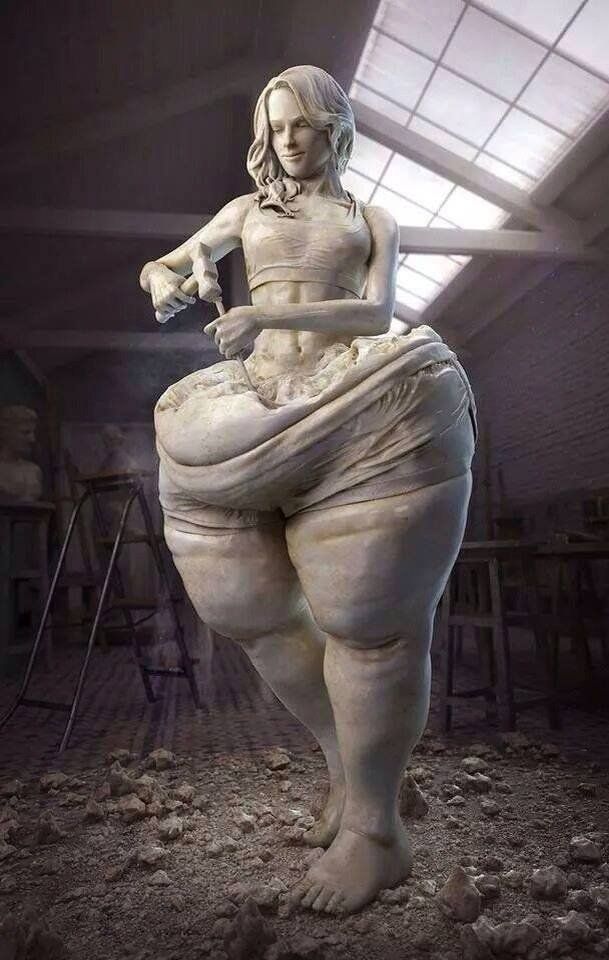
Early on in that process, I came across a photo of this sculpture (edited to add, courtesy of Michael McKay): by Gabriel D’Orazio:

free yourself

It’s been criticized here and there, but for me it hit home in a very poignant way. For years, what I saw on the outside didn’t match my inner view of myself at all. I’ve always been a hard worker, intelligent, driven, highly competent, and I’ve also always been rather active. I’ve been a regular walker and semi-regular lap swimmer. I’ve played various sports, even voluntarily (lol) and enjoyed it.

Here’s the secret no one ever tells you when you’re overweight: it’s so much easier to be active when you’re not. It’s easy for a fit person to tell someone heavy to “just” take the stairs or walk more. I always did – but I’m constantly amazed to find not only how much easier it it now, but how much more I enjoy it – and I always did enjoy being active!

The sculpture above struck me because it felt very much like the thing I’d always yearned to be able to do: free myself from a body that didn’t always serve me the way I wished it would, in favour of revealing what I felt was a truer form of my physical self. Interestingly, beyond just having more physical energy now – particularly when I’m fasting! – I also find that this same energy has spread into enthusiasm for other, non-physical arenas of life. I have no idea how or why, but I like it. I find myself feeling more open-minded about trying new things, more gung-ho about everything from my work to areas of my personal life. And when it comes to fitness, I barely recognize myself.

In the past six weeks, I’ve suddenly, overnight, become a gym person?? It’s bizarre, truly. There’s a small gym in my building which I’m frequently the only person using (whoo!), so I now use it regularly, almost daily, either for cardio or weight training. I managed to catch the last good day for cross-country skiing the weekend before last, and find myself looking for active things to do outside that are possible in our current, transitional winter-to-spring mess. I want to get a bike! And maybe some rollerblades! (Who AM I?!)

I’ve spent a lot of time in the past year and two months feeling so much more awake and more alive than I ever felt before. I attribute this very much to the constant fog that people typically recognize as having come from a diet of too much sugar/carbs. Now that I’m out of the fog, I feel like I’ve missed out on a lot, just due to having been too low energy, lethargic, and depressed (sugar is a known depressant). What might I have felt more enthusiastic about tackling, had I only had the energy or the enthusiasm for it?

Either way, I’m making up for lost time now! I feel like I’m breaking free at last, beginning to not only resemble the person I always saw myself as on the inside, but also the one I always wished I felt like on the outside. It’s pretty amazing!


Finding Balance

A couple of weeks ago, I achieved the target I initially set for myself when I started this new way of living in January 2018: I lost 135 lbs.

Before and after 2

The photo on the right was taken at my Québec City CD launch in the summer of 2016. The one on the left was taken on the morning I reached this goal, on Feburary 10th. It took me one year and 26 days to lose 135 lbs. I’ve already talked about how I managed that, but the short answer is: fasting (both intermittent and extended) and ketogenic/low carb high fat eating.

Why 135 lbs? Because when I started, I weighed 335 lbs and I thought that 200 lbs sounded like a nice, round number, that’s all. Once I saw that it was working, perhaps 30 lbs in, I decided to add a “bonus” 50 lbs to my overall target. I have a big bone structure and a lot of muscle, so at 150 lbs, I’ll be quite slim for my frame. I’ve actually already had people asking why I’m still going, which is astonishing every time I hear it! But that’s where I am now: in my “bonus” last leg. In fact, I’m 5 lbs into that, with 45 lbs left to go.

People have also started asking what I plan on doing once I’ve reached my target, or if I “get” to relax my rules more, now that the big push is behind me, and that made me think a bit. I have relaxed things a little more lately, but that’s partly because my metabolism has healed and functions well for me now. In other words, I can afford to – not because I don’t still need to lose weight, but because I bounce back faster. I can afford to make some poor choices and then get back on track. Does that mean they’re not poor choices, though? No. I’m never going to go back to the way of eating that made me sick and overweight in the first place. That’s a bit like asking an alcoholic if they’re going to start drinking again now that they’re five years sober! But I am relaxing a little bit, because unlike alcohol or drugs, food is not something that we can cut out completely, and we wouldn’t want to. I consider myself pretty lucky that I haven’t struggled with disordered eating in the past. Having spent a few months helping to run a massive forum on this way of life, I’ve come to see just how easy it is to fall into obsessive behaviour when it comes to food. The key for me here is balance.

It’s about learning when and how to make your exceptions. How to plan for indulgences, and how to compensate for them with specifically less indulgent behaviour. In other words, more fasting and eating choices that will serve my goals and my overall health.

In the past month, I’ve taken up regular working out again, and I actually love it. I look forward to it in a way that I never did before, to a point that makes me marvel at myself. I barely recognize that attitude as being me! I normally work out on the second morning of a 42-hour fast, which is the prime time to do it: you’re already in ketosis and burning fat for fuel, so you don’t have that initial 15 minutes or so of cardio where you’re burning through sugars and waiting to get into fat-burning mode: when you work out fasted, you START in fat-burning mode. Plus, fasting produces adrenaline and exponentially-increased growth hormone levels, so you’re primed and ready to roll. I find it far easier to work out during a fast than otherwise.

Last night, a friend of mine was in town and we went out for dinner and then dessert, since I had a duty to introduce him to Winnipeg cuisine, particularly our famed dessert café, Baked Expectations. This morning, being a Monday, meant it was a work-out day, so I got up and went to the gym. May I just say that I do not recommend working out when your last meal was tourtière (meat pie) and red velvet cake! It was considerably harder work than usual, though I was glad to at least start on the compensation side of the equation!

Lunch today was the last of the indulgences for awhile: I’m an observant Anglican and tomorrow is Shrove Tuesday (aka Pancake Tuesday, aka Mardi Gras). However, I’m working all day and all evening, so pancakes are not on the table. Therefore my mom and I went out for pancakes (and bacon, naturally!) for lunch, and the end of the meal marked the beginning of a 72-hour fast. This isn’t “punishment” for having enjoyed all of these recent carbs (and I did, although I feel slow and heavy today!) – it’s simply about finding balance. This finding of balance is going to be something that I apply to every aspect of my life going forward, whether I’m in active weight loss mode or in maintenance mode. It’s both physically and mentally healthy, and while balance is tricky to find, the journey is well worth it.

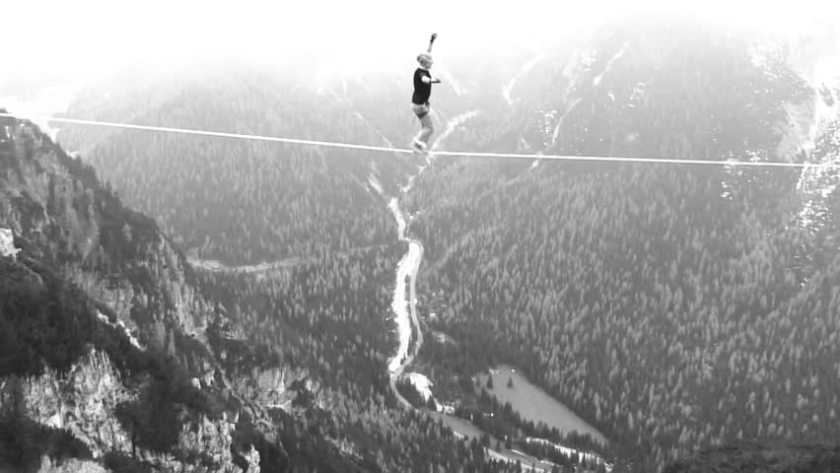
tightrope walker

A constant learning curve

One thing I’ve been thinking about lately is how this is a process of constant adjustment and learning. The way I find most of us think about it is “make a plan and follow it”, whereas it’s actually much more nuanced, and that learning curve applies to every single aspect of this. Beyond the basic questions of “which approach do I want to take in losing weight?”, here are some of the others that have cropped up in the past almost-year-now:

How long am I comfortable fasting? This is one that most fasters have to give some thought to at some point. Some people are only comfortable with time-restricted eating, aka eating within a limited time window of 6 or 8 hours (the 18:6 and 16:8 protocols, respectively). Others are good with alternating days of 24-hour fasts*. Some people are fine with full-week fasts or regular 5-day fasts. Personally, I wouldn’t suggest doing longer than 3 days/72 hours more than once per month. It just isn’t necessary. On average, three full days of fasting per week is the general aim. My personal favourite is three fasts of 42 hours per week. Sometimes I mix it up and go a little longer, especially if I’m balancing a planned indulgence of some sort (vacation, birthday, etc). But it’s not a competition. We all have to figure out what works for ourselves.

*Don’t do this every day! It will work at first, and then it will stop working as your metabolism slows and the weight starts coming back!

What does it mean for me to “eat to satisfaction”? I’m getting better at this one, but it’s still a constant learning curve. I’m still used to planning meal portions around my former, sugar-fed appetite – aka, it was much larger than it is now. As the classic saying goes, my eyes are bigger than my stomach now, and I’m still finding myself making more food than I need, and if I eat it all, I’m uncomfortably full. Now that my insulin (triggers appetite and body fat production) and leptin (triggers the sensation of fullness and gets suppressed when insulin is too high) seem to be in proper balance now, I still find myself needing to learn to listen to my body when it’s signalling that it’s full, rather than eating for enjoyment. I’m figuring out what my portions should be, not based on any empty notion of calorie counting or even macros (the only macro I really watch is carb intake), but based on the signals my body gives that I can now trust. A body which has too much insulin production going on gives untrustworthy signals! But my body is healing itself and I’m in the process of learning to trust it again.

How many attacks can my willpower withstand? This has been an interesting thing to observe in myself, and incredibly surprising for me. I’ve been a lifelong workaholic, but always thought that not really paying attention to what/how I was eating was the one area of indulgence I was allowing myself, so I felt very dubious about my own ability to exercise control in this area, as well. However, it seems I’m vastly stronger in this area than I ever realized I could be. That said, there are limits. In an earlier post, I mentioned a day at work when I was fasting and no fewer than EIGHT people offered me the free cake that was on offer in one of the lunch rooms. I’ve gotten to the point where I don’t mind being around people who are eating while I’m fasting. I actively enjoy meal planning and even cooking while fasting now, too – though the cheesy garlic bread muffins I made the other night tested that resolve sorely! That particular day at work, I was bombarded by offers of cake, a snack cart that was being wheeled around, hot chocolate that was on offer as well, and came home feeling like I’d been in a war zone all day. My resolve held, but it was emotionally exhausting. Finding out how much we can handle is part of this, because if these elements build up too much and become triggers for failure, we’ll start resenting our fasts.

What is my body now? This is a slightly different one, but has been an ongoing question for me since about a month into this. Dramatic weight loss isn’t just a change in terms of health and literal size – it’s a change in how we see ourselves. I don’t just mean that in a strictly cosmetic manner, either: it’s a question of functions gained (or regained), a change in the way certain actions feel or work, and so much more. Sometimes when I catch a glimpse of myself in a mirror, I literally don’t recognize myself. One of my newer non-scale victories is that my thighs don’t touch when I walk anymore (for the first time since my early teen years, probably!), and it changes the way walking feels. Running for a bus doesn’t make me out of breath. Sitting with my legs crossed at the knee is comfortable and easy. I have more energy overall. It’s changed the way I breathe for singing. It’s changed the positions I sleep in at night. It’s changed the way virtually every part of my body looks, and that’s an adjustment to make, too. It’s a good adjustment – but a change, nonetheless. I have never believed that the outside of myself was an accurate reflection of the inside, and while I feel that I’m beginning to look more the way I’ve always seen myself anyway, I still have these moments of seeing myself and going, “Whose legs are those? Those can’t be my legs…” It’s been a very interesting part of this whole process, and it’s not over yet, as I’m still 57 lbs away from my ultimate goal.

There are more, but I’ll leave it here for now. What are the questions you’ve found yourselves asking as you’ve gone? Leave a comment and share!

How to Keto: Part II: Replace the carbs

How to Keto: Part II: Replace the carbs

In the last post, I talked about ways to eliminate carbs from a meal. Now we’re at:

Strategy 2: Replace the carbs. There are a lot of vegetables that make seriously great alternatives for the carbs we’re so used to eating. The honest truth is that most carbs themselves don’t have a ton of flavour – we enjoy them for their texture, generally, and use them as vessels for the thing which actually has the flavour. And we can still eat those. Here are a few examples:

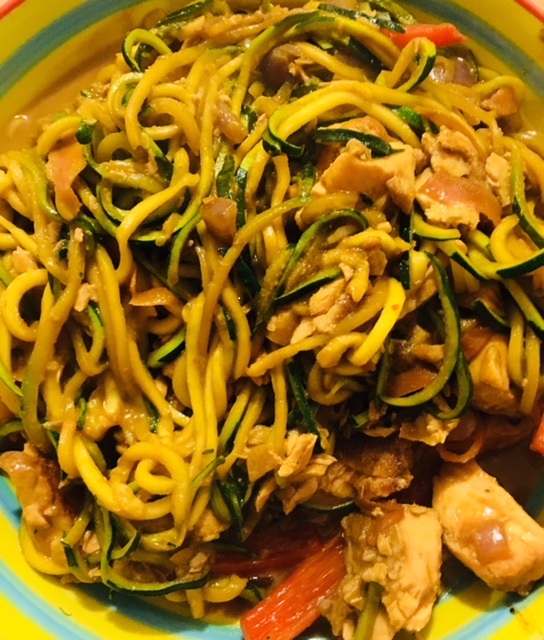
Zucchini. Get yourself a simple, hand-held spiralizer and make friends with zucchini. Zucchini is a vegetable that I was lukewarm about at best before I started this. I genuinely prefer it to pasta now. It takes me approximately 30 seconds to spiralize an entire zucchini. It has virtually no carbs in it, and you can use absolutely any (low/no sugar) sauce that you might have used on pasta or rice/potato noodles. I like to spiralize the zucchini, salt the “noodles” well and let them drain in a colander for 15-20 minutes (not at all necessary, but it can help get some of the water out which will otherwise release into the sauce, which I don’t care about for tomato-based sauces, but for cream sauces it can come in handy), then make my sauce. When the sauce is ready, toss the zucchini in and toss it for around 4 minutes, and you’re good to go. Here are a few of my go-to’s:

  • Basic marinara: ground beef grilled with fresh garlic, canned diced or crushed tomatoes, Italian herbs (oregano, basil, rosemary, thyme), parmesan cheese
  • Italian sausage: crumbled Italian sausage grilled with fresh garlic, canned diced tomatoes, oregano, fennel seeds, lots of parmesan, fresh spinach
  • Alfredo variations: grilled garlic (optional), grilled onions (optional), grilled chicken or shrimp, whipping cream, parmesan
  • Peanut/coconut: grilled garlic, onion, red pepper, shrimp/chicken/other meat then add peanut butter (1-2 tbsp max), soy sauce, chili flakes, lime juice, coconut milk, fresh cilantro

Photo: the above sauce, with salmon

zucchini noodles thai

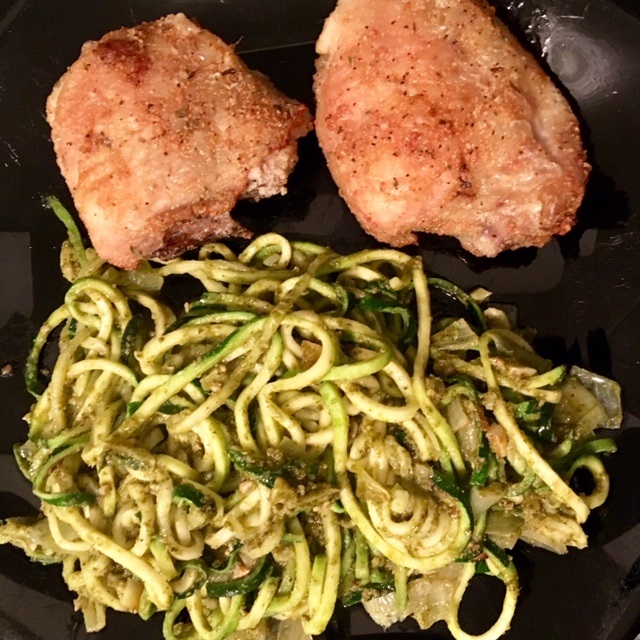
Photo: roasted chicken thighs with pesto zucchini noodles

Chicken thighs w pesto zucchini

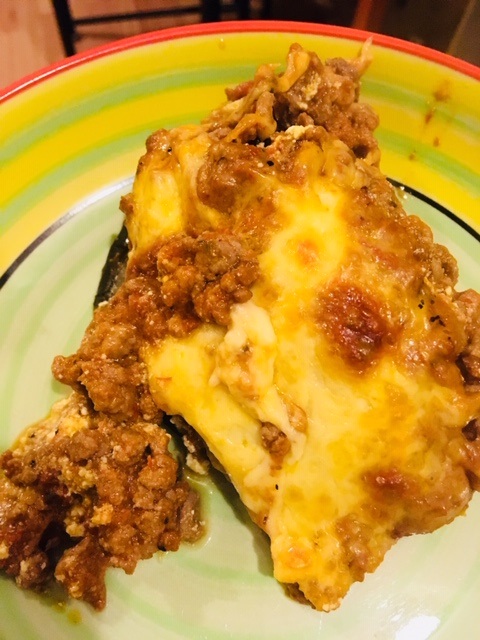
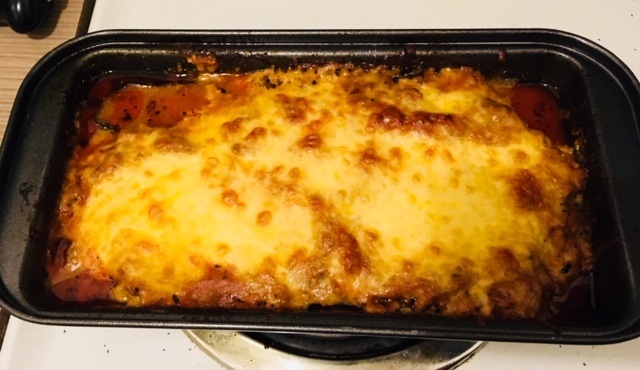
Eggplant. Both zucchini and eggplant can replace pasta in a number of ways. My favourite way to use eggplant is to substitute noodles in lasagna. Slice it in long slice about half a centimetre thick, drizzle the slices with olive oil and sea salt and roast them for about 20 minutes (turn halfway through), then layer them into a lasagna the way you would have used noodles. I’m going to try this with zucchini at some point, too, but I can’t see why it wouldn’t work. You can also use both eggplant and zucchini as “boats” to hold other things, in lieu of bread. Slice the veggie in half, hollow out the seeds, roast it as above, then dump whatever you like on it – spaghetti sauce, grilled meat, cheese, etc. I made zucchini garlic cheese “toast” like this once and it was great! There are other veggies that can work this way, too, such as spaghetti squash, which is delicious in season!

Photos: eggplant lasagna: 

Eggplant lasagna 1

Eggplant lasagna 2

Photo: the above Italian sausage sauce on spaghetti squash

Sausage spaghetti squash

Cauliflower. True fact: mashed cauliflower is better than mashed potatoes, and I say this as a major fan of mashed potatoes. Cauliflower is another veggie that holds a lot of water, so whether you’re using it as a base for a cauliflower pizza crust or anything ground, you’ll probably want to drain the water out of it after it’s been cooked (boil/steam it). For a good mash, I like to boil the cauliflower, then mash it with a potato masher or hand blender (you can use a food processer if you have one, but I don’t!), mix in cream cheese or sour cream, whipping cream, butter, cheddar, green onions, bacon, etc (aka: anything you like, pretty much!) and then bake it for a few minutes. You’ll never go back to mashed potatoes! Cauliflower can also be grated (cheese grater or food processer) to make “rice” or “couscous”. I’ve made sushi using cauliflower “rice” before and it was great!

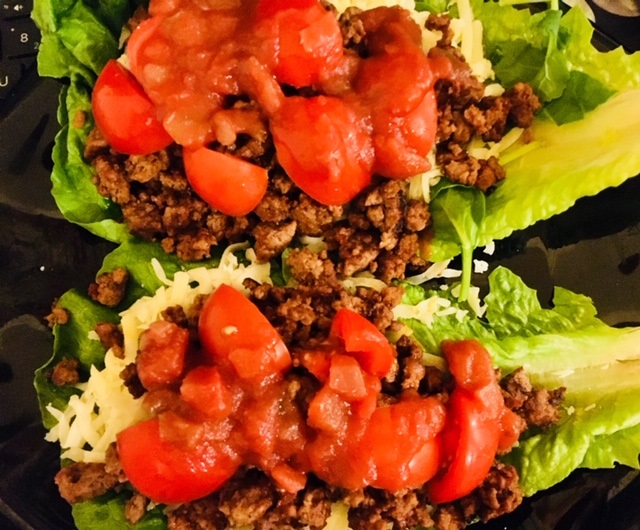
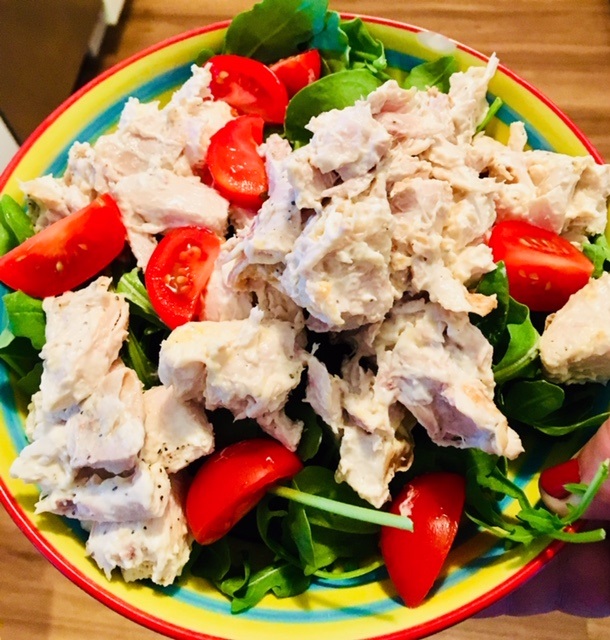
Lettuce. If you can find yourself a sturdy lettuce leaf, you’ve got an instant bread replacement. Lettuce wraps have started showing up regularly on menus, and it’s not at all uncommon for someone to request lettuce in lieu of a hamburger bun. I like making lettuce tacos, too. They’re incredibly messy, but so good. Greens can also make a great base for what you might have put into a sandwich otherwise. I love making chicken salad out of leftover rotisserie chicken, or egg salad at any time, and I still do! Now I just put them on my favourite base of mixed spinach and arugula.

Photo: lettuce tacos

Lettuce tacos

Photo: chicken salad on spinach & arugula with grape tomatoes

Chicken salad

So there you have it: a few basic ideas! This way of eating is very possible – it just requires a bit of thinking outside the bun. And taco. And tortilla. And pita. And manicotti. And – you get the drift. 🙂

Design a site like this with WordPress.com
Get started