How to Keto: Part II: Replace the carbs

How to Keto: Part II: Replace the carbs

In the last post, I talked about ways to eliminate carbs from a meal. Now we’re at:

Strategy 2: Replace the carbs. There are a lot of vegetables that make seriously great alternatives for the carbs we’re so used to eating. The honest truth is that most carbs themselves don’t have a ton of flavour – we enjoy them for their texture, generally, and use them as vessels for the thing which actually has the flavour. And we can still eat those. Here are a few examples:

Zucchini. Get yourself a simple, hand-held spiralizer and make friends with zucchini. Zucchini is a vegetable that I was lukewarm about at best before I started this. I genuinely prefer it to pasta now. It takes me approximately 30 seconds to spiralize an entire zucchini. It has virtually no carbs in it, and you can use absolutely any (low/no sugar) sauce that you might have used on pasta or rice/potato noodles. I like to spiralize the zucchini, salt the “noodles” well and let them drain in a colander for 15-20 minutes (not at all necessary, but it can help get some of the water out which will otherwise release into the sauce, which I don’t care about for tomato-based sauces, but for cream sauces it can come in handy), then make my sauce. When the sauce is ready, toss the zucchini in and toss it for around 4 minutes, and you’re good to go. Here are a few of my go-to’s:

  • Basic marinara: ground beef grilled with fresh garlic, canned diced or crushed tomatoes, Italian herbs (oregano, basil, rosemary, thyme), parmesan cheese
  • Italian sausage: crumbled Italian sausage grilled with fresh garlic, canned diced tomatoes, oregano, fennel seeds, lots of parmesan, fresh spinach
  • Alfredo variations: grilled garlic (optional), grilled onions (optional), grilled chicken or shrimp, whipping cream, parmesan
  • Peanut/coconut: grilled garlic, onion, red pepper, shrimp/chicken/other meat then add peanut butter (1-2 tbsp max), soy sauce, chili flakes, lime juice, coconut milk, fresh cilantro

Photo: the above sauce, with salmon
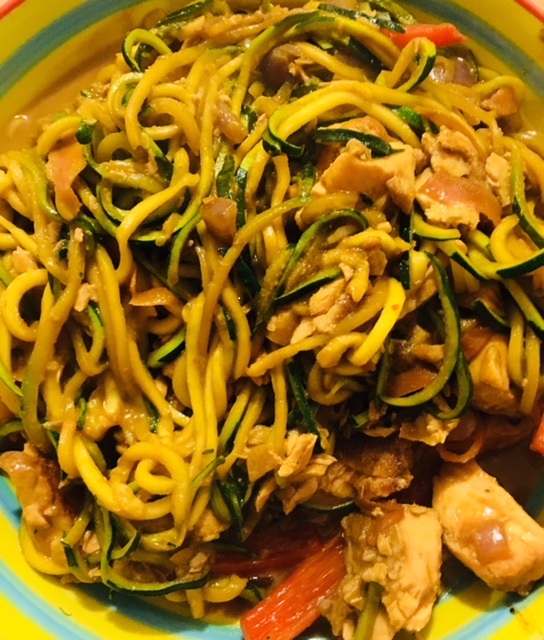
zucchini noodles thai

Photo: roasted chicken thighs with pesto zucchini noodles
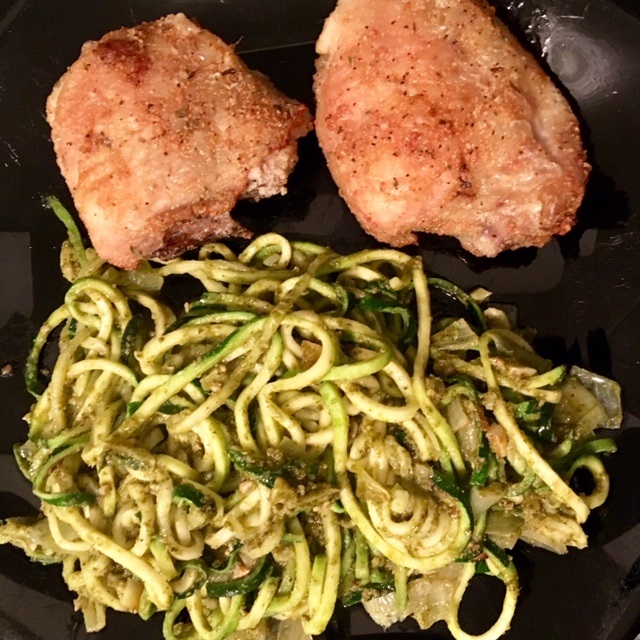
Chicken thighs w pesto zucchini

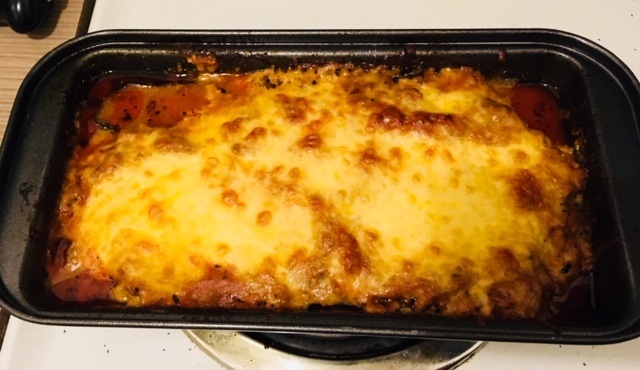
Eggplant. Both zucchini and eggplant can replace pasta in a number of ways. My favourite way to use eggplant is to substitute noodles in lasagna. Slice it in long slice about half a centimetre thick, drizzle the slices with olive oil and sea salt and roast them for about 20 minutes (turn halfway through), then layer them into a lasagna the way you would have used noodles. I’m going to try this with zucchini at some point, too, but I can’t see why it wouldn’t work. You can also use both eggplant and zucchini as “boats” to hold other things, in lieu of bread. Slice the veggie in half, hollow out the seeds, roast it as above, then dump whatever you like on it – spaghetti sauce, grilled meat, cheese, etc. I made zucchini garlic cheese “toast” like this once and it was great! There are other veggies that can work this way, too, such as spaghetti squash, which is delicious in season!

Photos: eggplant lasagna: 
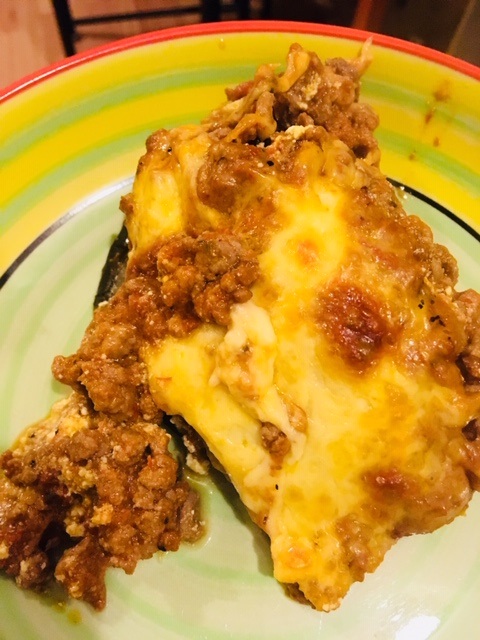
Eggplant lasagna 1

Eggplant lasagna 2

Photo: the above Italian sausage sauce on spaghetti squash
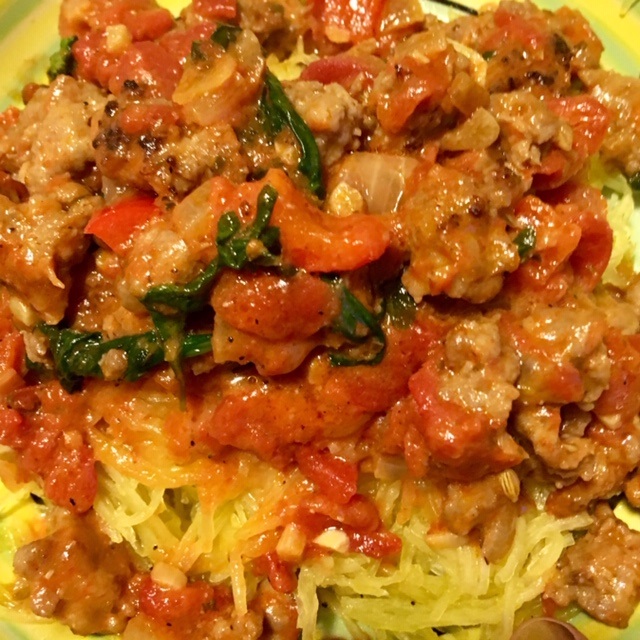
Sausage spaghetti squash

Cauliflower. True fact: mashed cauliflower is better than mashed potatoes, and I say this as a major fan of mashed potatoes. Cauliflower is another veggie that holds a lot of water, so whether you’re using it as a base for a cauliflower pizza crust or anything ground, you’ll probably want to drain the water out of it after it’s been cooked (boil/steam it). For a good mash, I like to boil the cauliflower, then mash it with a potato masher or hand blender (you can use a food processer if you have one, but I don’t!), mix in cream cheese or sour cream, whipping cream, butter, cheddar, green onions, bacon, etc (aka: anything you like, pretty much!) and then bake it for a few minutes. You’ll never go back to mashed potatoes! Cauliflower can also be grated (cheese grater or food processer) to make “rice” or “couscous”. I’ve made sushi using cauliflower “rice” before and it was great!

Lettuce. If you can find yourself a sturdy lettuce leaf, you’ve got an instant bread replacement. Lettuce wraps have started showing up regularly on menus, and it’s not at all uncommon for someone to request lettuce in lieu of a hamburger bun. I like making lettuce tacos, too. They’re incredibly messy, but so good. Greens can also make a great base for what you might have put into a sandwich otherwise. I love making chicken salad out of leftover rotisserie chicken, or egg salad at any time, and I still do! Now I just put them on my favourite base of mixed spinach and arugula.

Photo: lettuce tacos
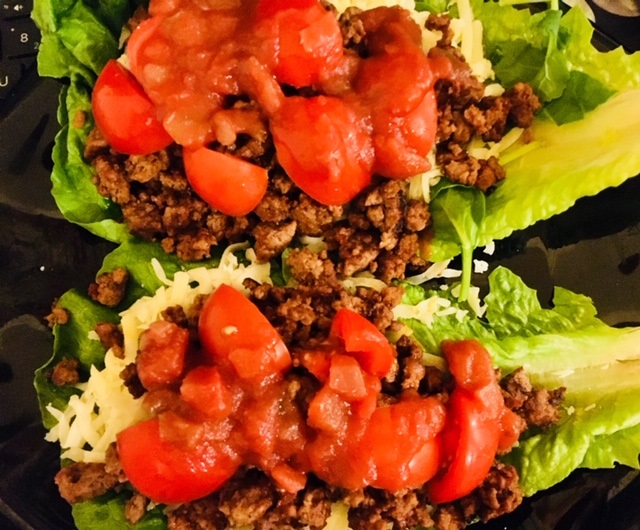
Lettuce tacos

Photo: chicken salad on spinach & arugula with grape tomatoes
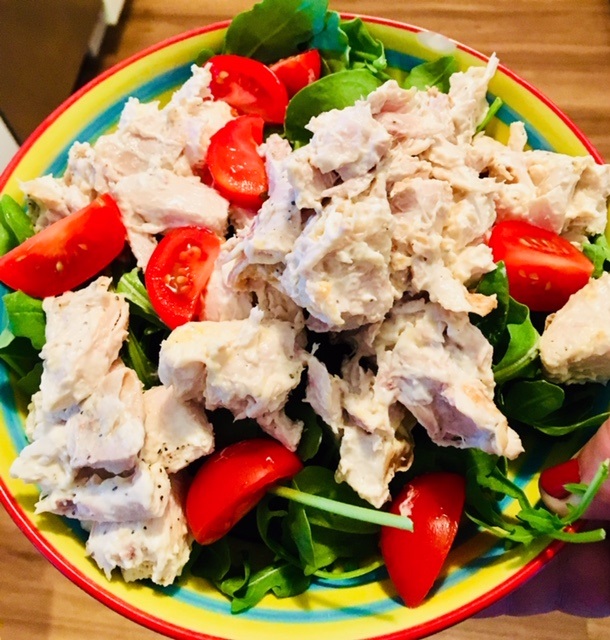
Chicken salad

So there you have it: a few basic ideas! This way of eating is very possible – it just requires a bit of thinking outside the bun. And taco. And tortilla. And pita. And manicotti. And – you get the drift. 🙂
How to Keto: Part 1: Eliminate the Carbs

How to Keto: Part I

On occasion when I’ve told someone that keto or low carb/high fat eating focuses on eating a lot of healthy fats, they’ll say, “okay, but you can’t just eat fat, so what do you actually do for meals?” There are two main strategies here, and I’m going to divide this into two long posts, because there are photos!

Strategy 1: Eliminate the carbs. Many meals in many cultures find their base in a carbohydrate, be that rice, pasta, or bread products. I’ve heard so many people say “I can’t do keto; I’m Italian! All we eat is pasta!”, or “I can’t do keto; I’m Indian! There’s rice in every meal!”, etc. I would argue that most cultures’ cuisines fit the bill here, whether that’s sandwiches in your lunch or nachos for a snack or popcorn at a movie or sushi with friends. Believe it or not, though, sometimes you can just take the carb element right out. The majority of my meals are essentially meat and veggies in some combination. Here are some examples of meals where you could annex the carb element:

The meal: roasted chicken, broccoli, mashed potatoes. Eliminate the mashed potatoes.

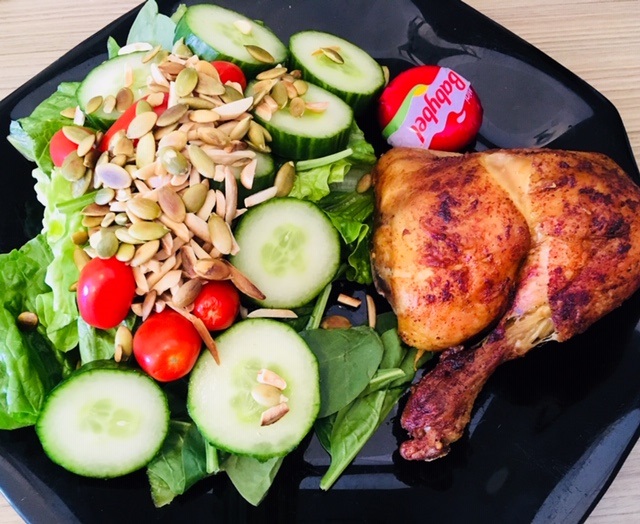
Photo: rotisserie chicken leg with large salad (romaine, spinach, grape tomatoes, cucumber, toasted almonds, pumpkin seeds, homemade olive oil/white vinegar dressing), babybel gouda

Chicken leg + salad

The meal: beef vindaloo, basmati, naan, salad. Eliminate the basmati and naan.

The meal: ham and swiss sandwich, apple, hard-boiled egg. Eliminate the bread and swap out the apple for some lower-carb strawberries, and eat the ham and cheese together on their own. It sounds a little odd, but I’ve had some excellent “deli plate”-type meals that are totally satisfying – any combination of cold meats (preferably non-processed), cheese, nuts, olives, pickles, boiled eggs, and veggies makes for a great lunch!

The meal: sushi: opt for sashimi rather than rolls/sushi.

The meal: breakfast: opt for combinations of eggs, meat, veggies, and cheese rather than toast, hashbrowns, pancakes, waffles, etc.

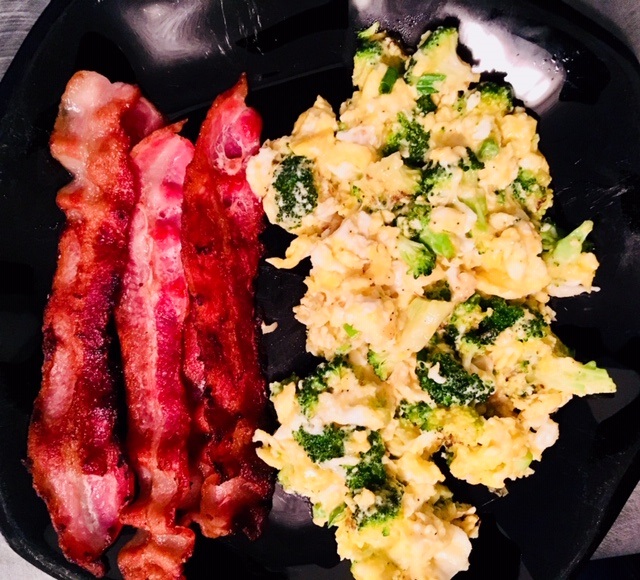
Photo: scrambled eggs with mozzarella and broccoli, bacon. 

Scrambled eggs and bacon

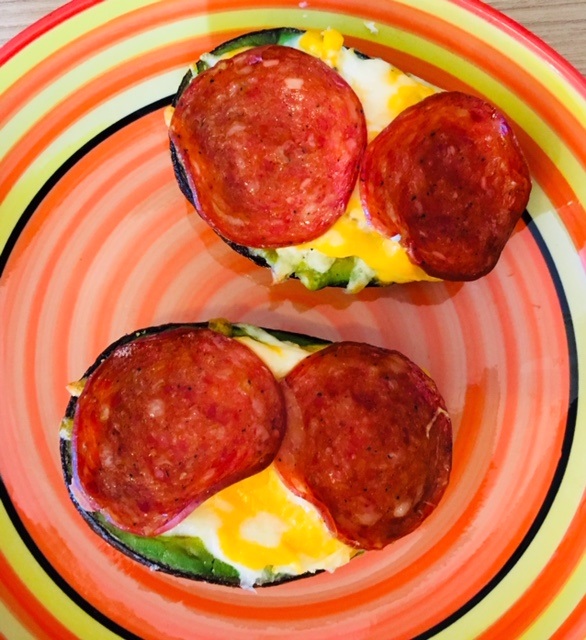
Photo: Avocado baked eggs with pepperoni

Avocado baked eggs

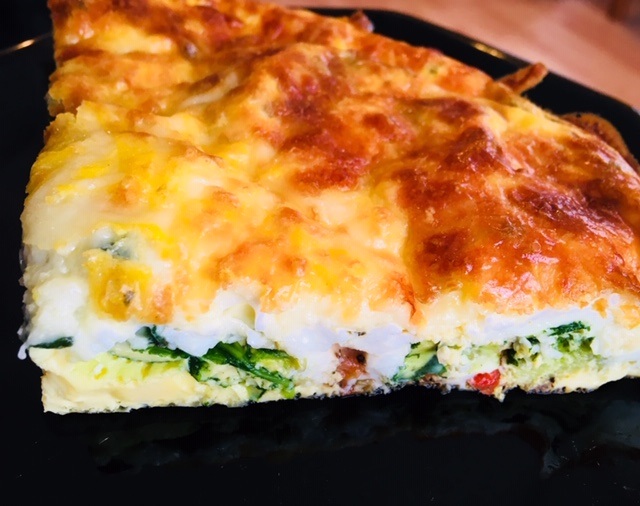
Photo: Frittata (broccoli, spinach, red pepper, mozzarella)

Frittata

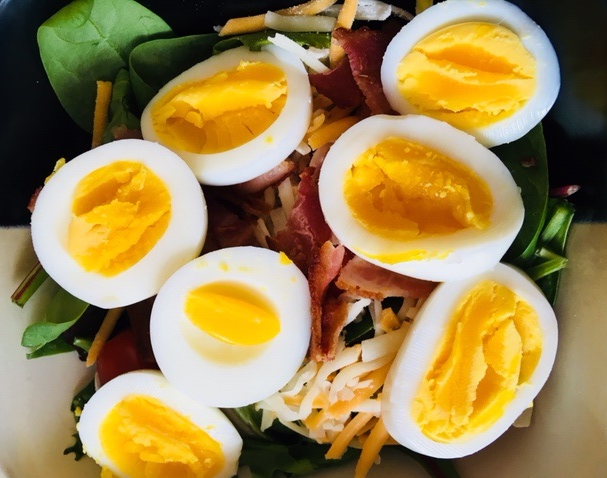
Photo: breakfast salad (spinach, sliced boiled egg, bacon, cheddar, homemade olive oil/white vinegar dressing)

Breakfast salad.png

Sometimes it’s not as easy, though. If you take the noodles out of a pasta dish, for instance, you’d likely be left with sauce, a few veggies, and maybe some meat. So then we come to the next post: Strategy 2: Replace the carbs

The Fear of Keto

In the past few years, following a ketogenic way of eating has become somewhat popularized. I would say that the version of it that I follow is stricter than the popular version, namely in that I’ve also eliminated sweeteners of every variety. (This whole silliness of “keto” desserts is ridiculous – if the thing is sweet, it will raise your insulin, regardless of its score on the glycemic index. It may not raise your blood sugar, but it will almost certainly still prompt an insulin response, which is exactly what I’m looking to avoid.)

Meanwhile, keto – aka, eating as few sugars/carbs as possible so as to keep your body in a state of nutritional ketosis, aka burning its fat stores to produce blood glucose rather than relying on eaten sugars – has gotten popular, and with popularity comes criticism. What amuses me is that the most common criticism of following a ketogenic way of eating unfailingly goes something like this: “Okay, it works, but as soon as you go back to your old ways of eating, you’ll regain the weight.” Yeah: no sh*t, Sherlock. Why assume that someone would go back? I’ve said this repeatedly, but this is about making a permanent change, about realizing what foods help us and which ones we can easily do without. This isn’t something that you hit hard and then relapse and hope that the positive changes that came out will stick. Life doesn’t work that way!

The second main critique that comes up over and over again goes something like: “Keto is too restrictive, which makes it impossible to sustain.” To which I say: bullshit.

What is restrictive and impossible to sustain is a low calorie diet. Anything you term a “diet”, for that matter. Low calorie and low fat nearly always come together, since fat is far more calorically dense than other foods. Fat is also the one macronutrient that doesn’t prompt an insulin response, which makes it our friend. Eating fat has nothing to do with our body’s decision to make fat from what we’ve eaten. That all comes from insulin, which is caused mostly by sugar. High fat foods are delicious. This is a fact.

Often when people begin a new way of eating, they feel a bit lost and wonder what they can “safely” eat, what follows their plan. When you look up ketogenic eating, there are a lot of lists of individual food products, such as olive oil – but olive oil doesn’t make a meal, obviously! I’m going to start posting the occasional meal that I’ve made, just to share some ideas.

Meanwhile, if you’re new to low carb/high fat/ketogenic eating and are wondering what the yays and nays are, here’s a list for you:

Eliminate: 

  • sugar in every form. Includes: table sugar, maple syrup, corn syrup, rice syrup, molasses, honey, agave, fruit juice, anything that ends with -ose (dextrose, maltose, glucose, fructose, etc), sugar alcohols (anything that ends with “tol”, including maltitol, xylitol, erythritol, etc), palm sugar, coconut sugar, etc etc etc
  • sweeteners of any other kind, whether natural (“natural”) or artificial. Includes: stevia, monkfruit extract, aspartame, acesulfame glutamate (the sweetener in Coke Zero), sucralose, etc
  • refined carbs of every kind. Includes: anything made with any type of flour (excluding almond flour and coconut flour), which includes pasta, couscous, virtually all bread products, white rice
  • beer

Eat considerably less of (think maximum once every 2-3 days):

  • vegetables that grow underground (potatoes, carrots, sweet potatoes, turnips) as well as corn and peas
  • fruit, excluding berries (blackberries, raspberries, strawberries, blueberries)
  • whole grains. Includes: brown and wild rice, oatmeal, quinoa, etc
  • legumes. Includes: chickpeas, black beans, kidney beans, peanuts (including peanut butter), etc.
  • other alcohols. Technically speaking, alcohol falls into its own macronutrient category, but is metabolized as sugar and very often stalls people’s weight loss

Seek out: 

  • meat, fish (especially fatty fish such as salmon, tuna, mackerel, trout). Dark poultry is good. Skin is fine!
  • eggs (so delicious and flexible!)
  • full fat dairy products (note: watch out for yogurt!! It nearly always contains added sugars!). Look for the highest fat percentage possible. The higher the fat, the lower the sugar! Cheese is your friend!
  • low carb vegetables. Includes: broccoli, cauliflower, spinach, arugula, kale, other lettuce-type greens, leeks, asparagus, green beans, tomatoes!
  • nuts and seeds, especially walnuts
  • healthy fats. Includes: olive oil, coconut oil, sesame oil, butter, MCT oil, avocado
  • fibre! Look for this in ground flaxseed, chia seeds, nuts
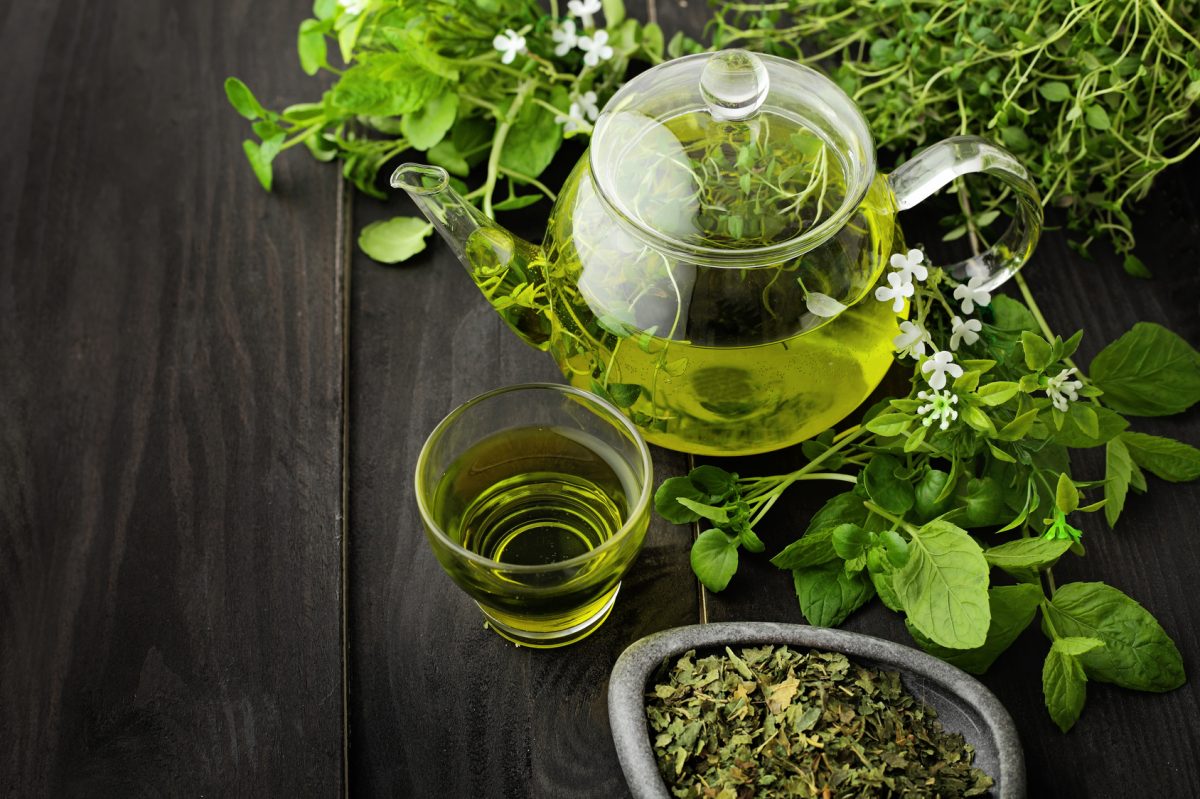
  • green tea. All tea is good (though watch out for carbs in commercial chain store teas containing fruit! Many also add sugar and other sweeteners!), but green tea is especially good. The antioxidants (catechins) can help suppress appetite and are full of vitamin C!
  • vinegar and fermented foods (pickles, etc). Vinegar is a natural offset to sugars and can help metabolize them better

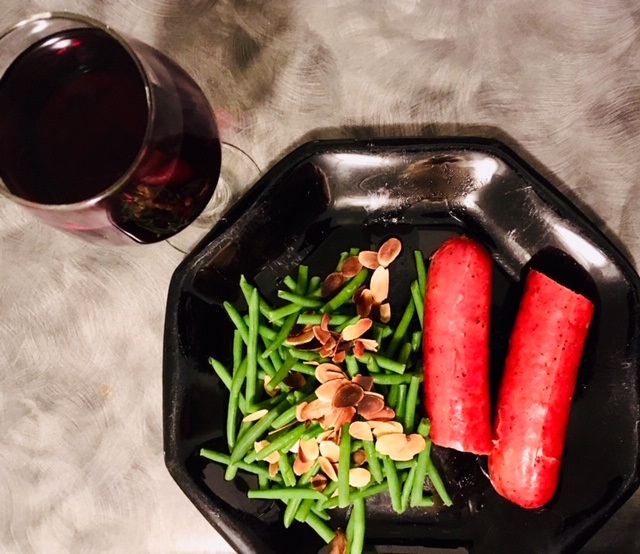
So again, you say, “so what can I actually eat for a meal??” Here’s a basic answer: meat and veggies. Just eliminate the carb element that I, at least, once felt was so crucial. I’ll be posting the occasional meal pic/idea/recipe, but let me start off with what I had for dinner today: farmer sausage (a Canadian prairies staple, courtesy of the Mennonite community!) and green beans, topped with butter and toasted almond slices. I also had a rare glass of shiraz with it!

Farmer sausage and green beans

More of that to come! Stay tuned!

Design a site like this with WordPress.com
Get started